
0 грн.
CheckoutWhite Sage (Salvia Apiana)
Description
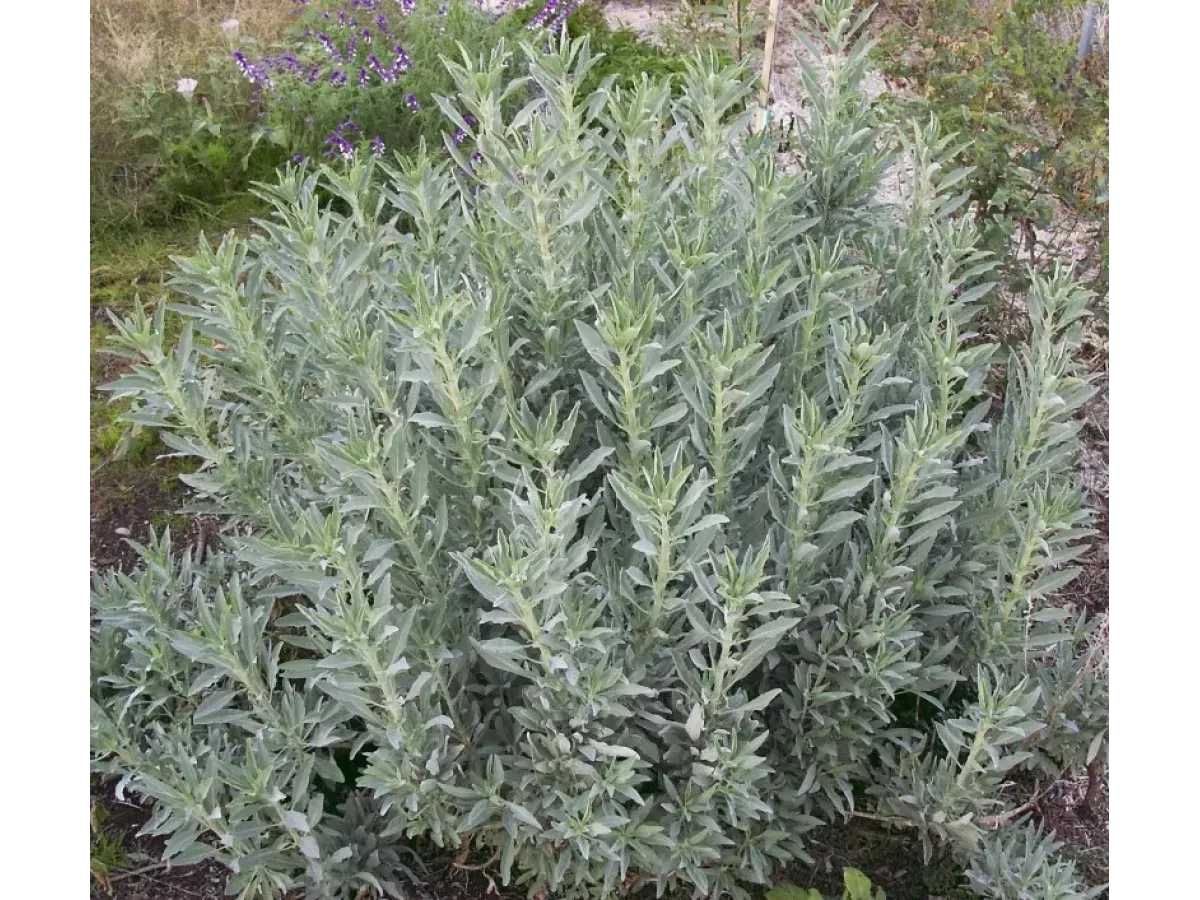
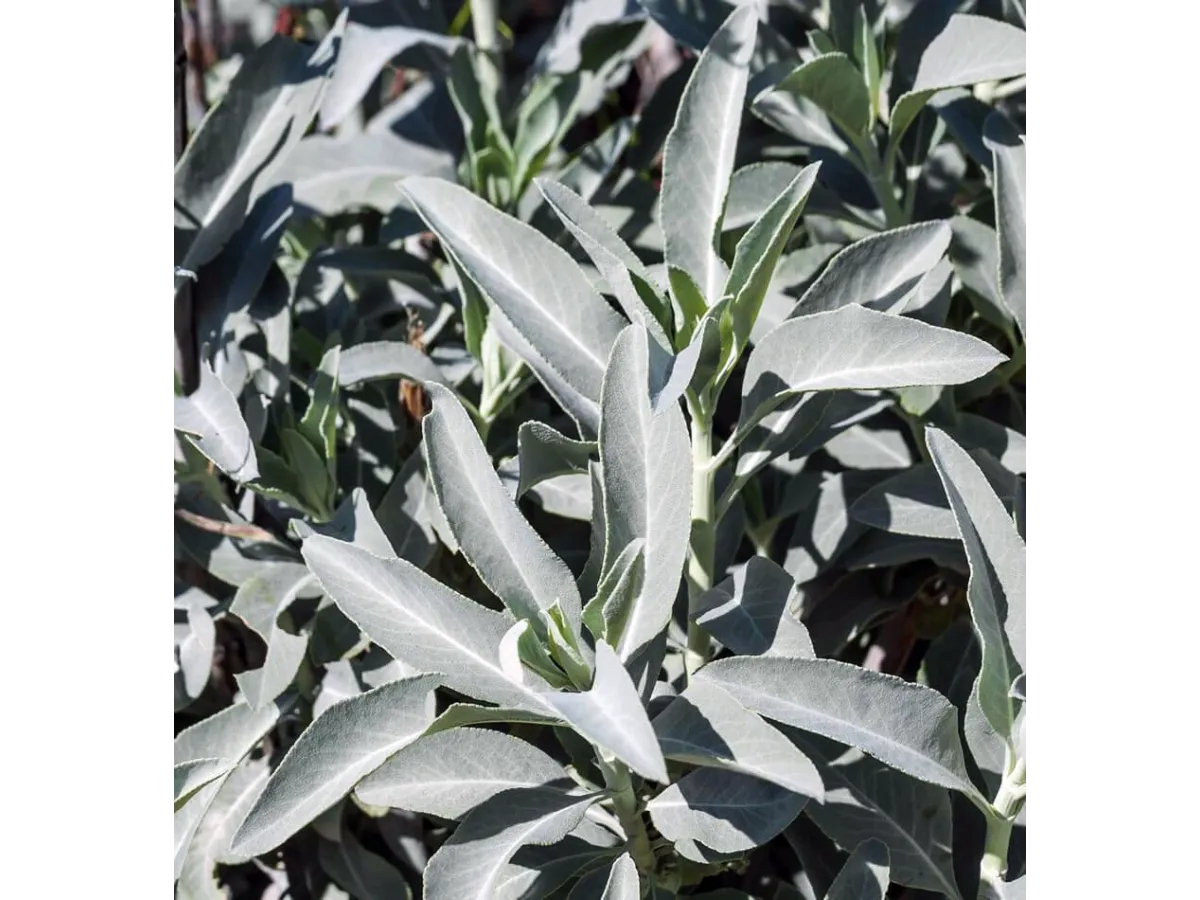
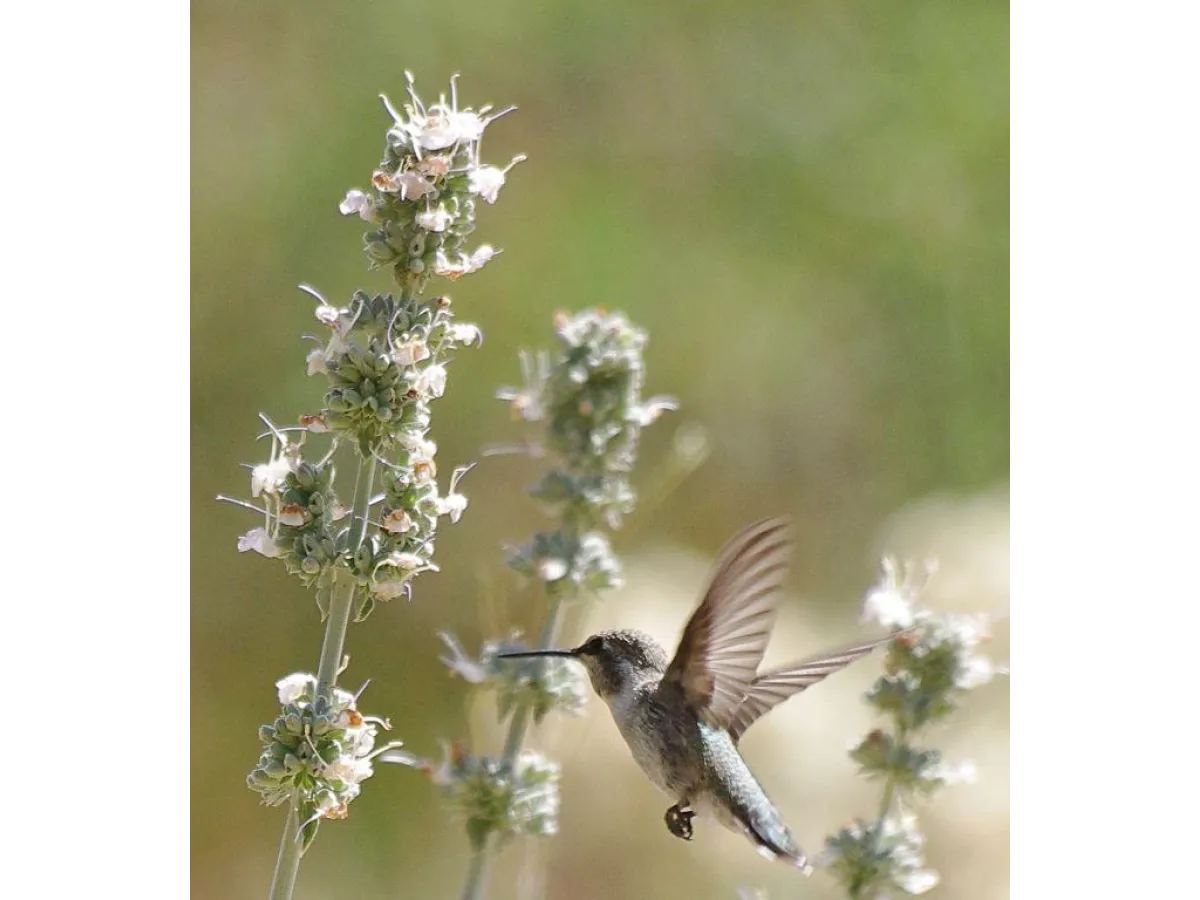
White Sage (Salvia Apiana, White Sage) is a sacred plant of the Navajo American Indians, distinguished by its unique energetic and cleansing power. It is also known by the names "White Sage" or "Sacred Sage." The plant's homeland is the southwestern regions of the United States and northern regions of Mexico. When burned, it emits a pleasant characteristic scent. The smoldering smoke from the ignited leaves is used to smudge homes, places of ceremonies, and spiritual practices to provide protection from negative energy, spells, and to heal the body, mind, and soul. The smoke of white sage relaxes, harmonizes the state, improves concentration, sensitivity, and enhances psychic and mediumistic abilities.
Usage
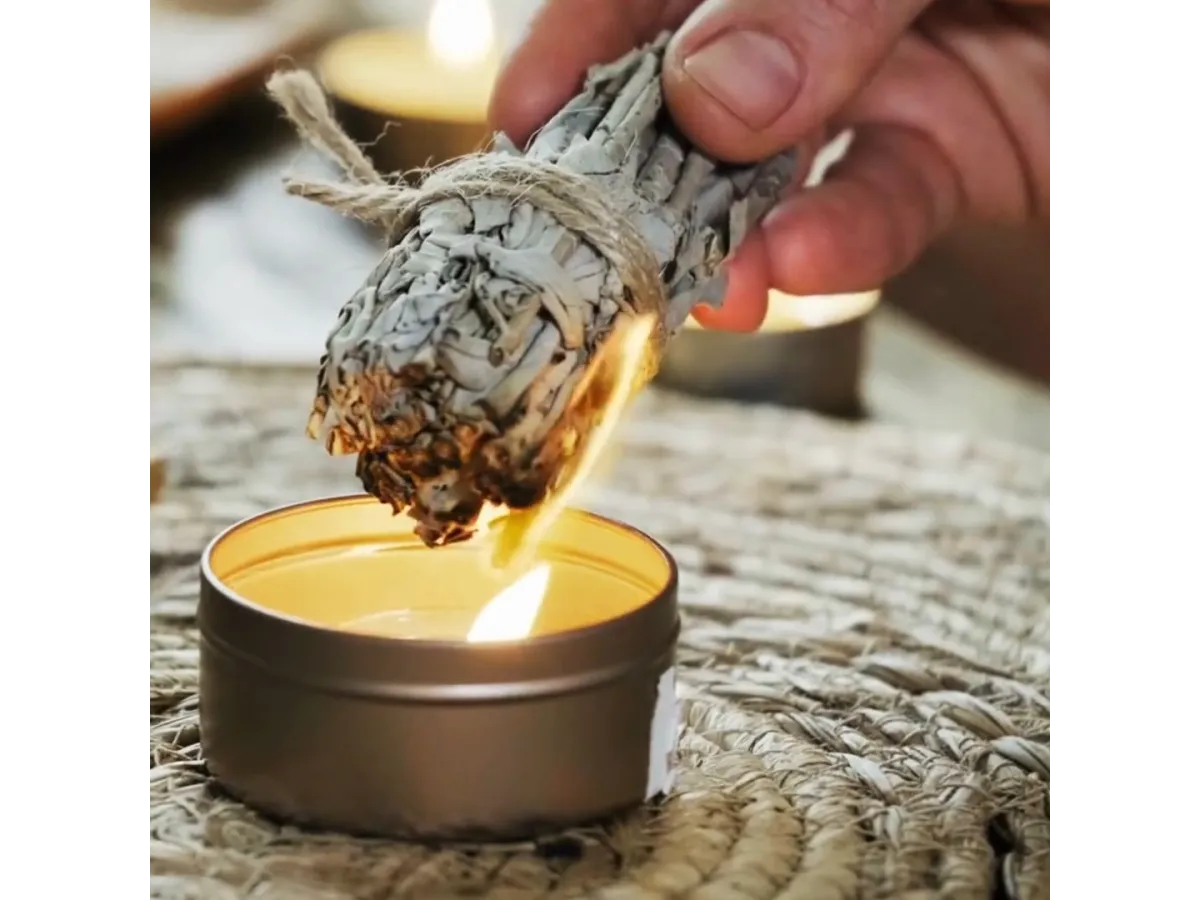
Prepare yourself and the space. Tidy up your belongings and clean the area, preferably with wet cleaning. Form an intention for spiritual and energetic practice. Leave a window open so that negative energy, along with the smoke, can freely leave the space being smudged. Ignite one end of the bundle or a separate fragment (a twig or leaf) from a live flame (candle, oil lamp, match). Remove the sage from the flame source, allowing it to burn slightly. Be cautious when handling fire. Use solid non-flammable surfaces, away from easily flammable objects such as carpets, curtains, and soft furniture. When the flame ignites, gently blow out the fire. The tips of the leaves should smolder slowly without visible flame, releasing thick smoke. If you need more smoke, fan the smoldering corner using a ritual fan or feather. Place the bundle with the burning end down on a fireproof surface, in a traditional abalone shell, or on a ceramic or stone stand. After use, extinguish the sage bundle. For this, pour salt or sand into the shell or stand and immerse the smoldering tip. Avoid using water. Before leaving the room, ensure the bundle is completely extinguished.
Store in a place inaccessible to children. Not intended for consumption.
Ethno-Medical Use
Indian medicine and religion are closely intertwined. Phytotherapy is an integral part of the spiritual healing system, rather than a separate method of treatment. This system includes not only elements of herbal treatment accepted by Western medicine but also prayers, shamanic practices, and other spiritual healing methods. From this perspective, the use of various herbs for medical purposes involves not just administering medicine to the sick but also a sacred act performed by the healer (known as a shaman among Native Americans). White sage is deeply rooted in tribal culture as an apotropaic herb. It is believed to have great power to cleanse the spirit, restore its balance, bless people, or even carry prayers to God. The illness itself is seen as an imbalance or impurity in the patient's soul, thus the essence of the healing process lies in restoring balance and expelling impurities.
In folk medicine, it is used as a sedative and analgesic. Other observed effects of its use include reduced sweating, salivation, and milk secretion, as well as decreased mucous secretion in the sinuses, throat, and lungs. Drinking cold water with crushed leaves can induce vomiting. Antimicrobial activity has also been reported. Concerning spiritual healing methods, the preferred methods of application include smudging or sucking the plant for blessing or spirit cleansing. Healing methods that involve less religious aspects include drinking infusions, tinctures, and macerations, as well as rubbing it into the skin.
Scientific Information
Phytochemical studies of Salvia Apiana have revealed a significant amount of essential oil, accompanied by various triterpenes, C23 terpenoids, diterpenes, and flavonoids. It has been proven that plant extracts exhibit antioxidant, antimicrobial, and cytotoxic effects.
Extracts of Salvia Apiana have been studied with several bioassays to confirm their antimicrobial properties. The most in-depth experiment was conducted by Dentali SJ. Potential antiinfective agents from Eriodictyon angustifolium Nutt. and Salvia apiana Jeps. [Dissertation]. Ann Arbor: University of Arizona; 1991. Biological screening assays of 20 medicinal herbs showed that Salvia Apiana was the only plant in this study that completely inhibited the growth of all 4 tested pathogens: Staphylococcus aureus, Bacillus subtilis, Klebsiella pneumoniae, and Candida albicans. Further analysis of white sage extracts revealed that its antibacterial and antifungal activity results from the presence of carnosic acid and 16-hydroxycarnosic acid.
There are only a limited number of reports on the phytochemistry of white sage, and the studies conducted so far have mainly focused on determining the essential oil content in the plant. The first study of terpene content using gas chromatography-flame ionization detector (GC/FID) in fresh leaves of S. apiana revealed the presence of 6 compounds: α-pinene, camphene, β-pinene, dipentene, cineole, and camphor. GC/FID together with GC/MS analysis showed the presence of 14 components, accounting for 97.76% of the total essential oil obtained by steam distillation of the entire plant. 1,8-cineole, accounting for 60.65% of the oil, was the main component.
Source: Open Data
Photos
22/07/2024 11:54:27
Views:1304