
0 грн.
CheckoutPalo santo (Bursera Graveolens)
Description
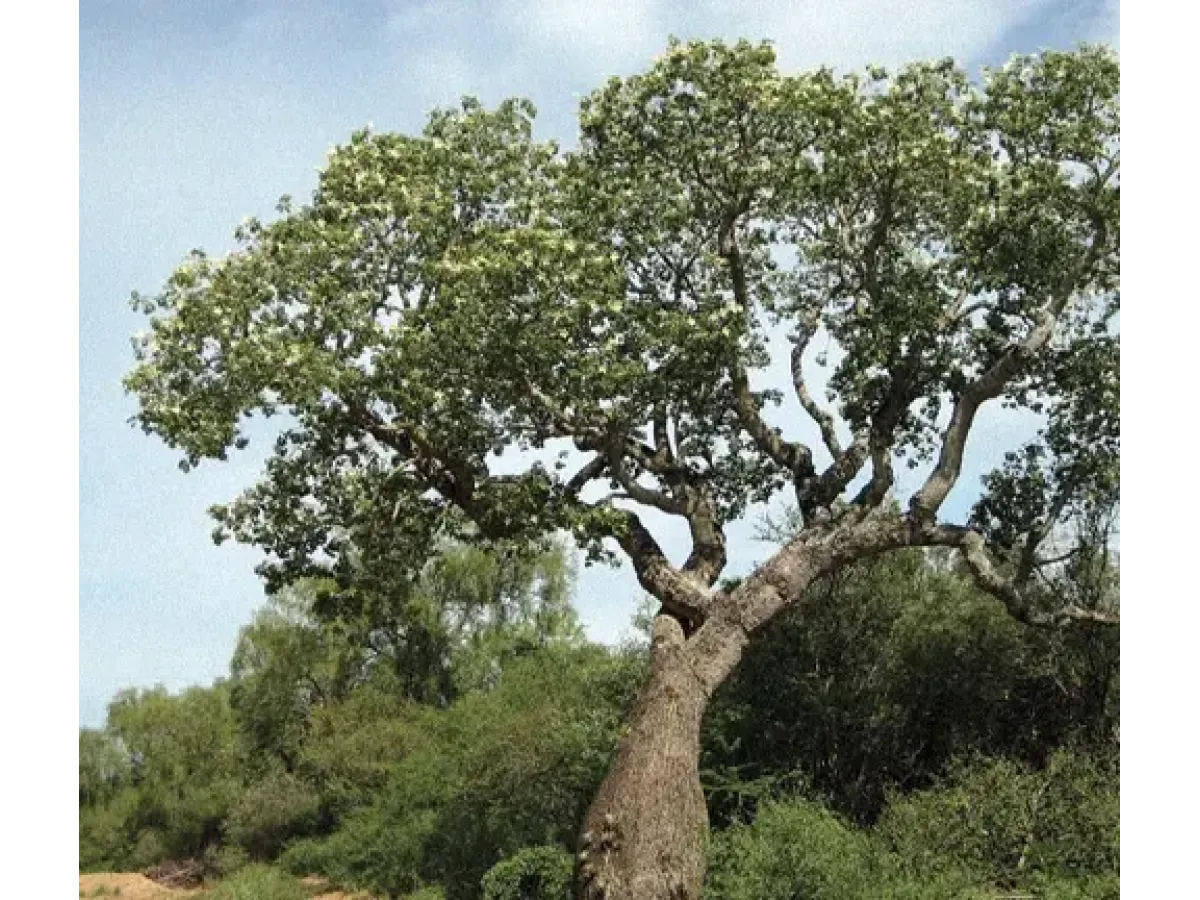
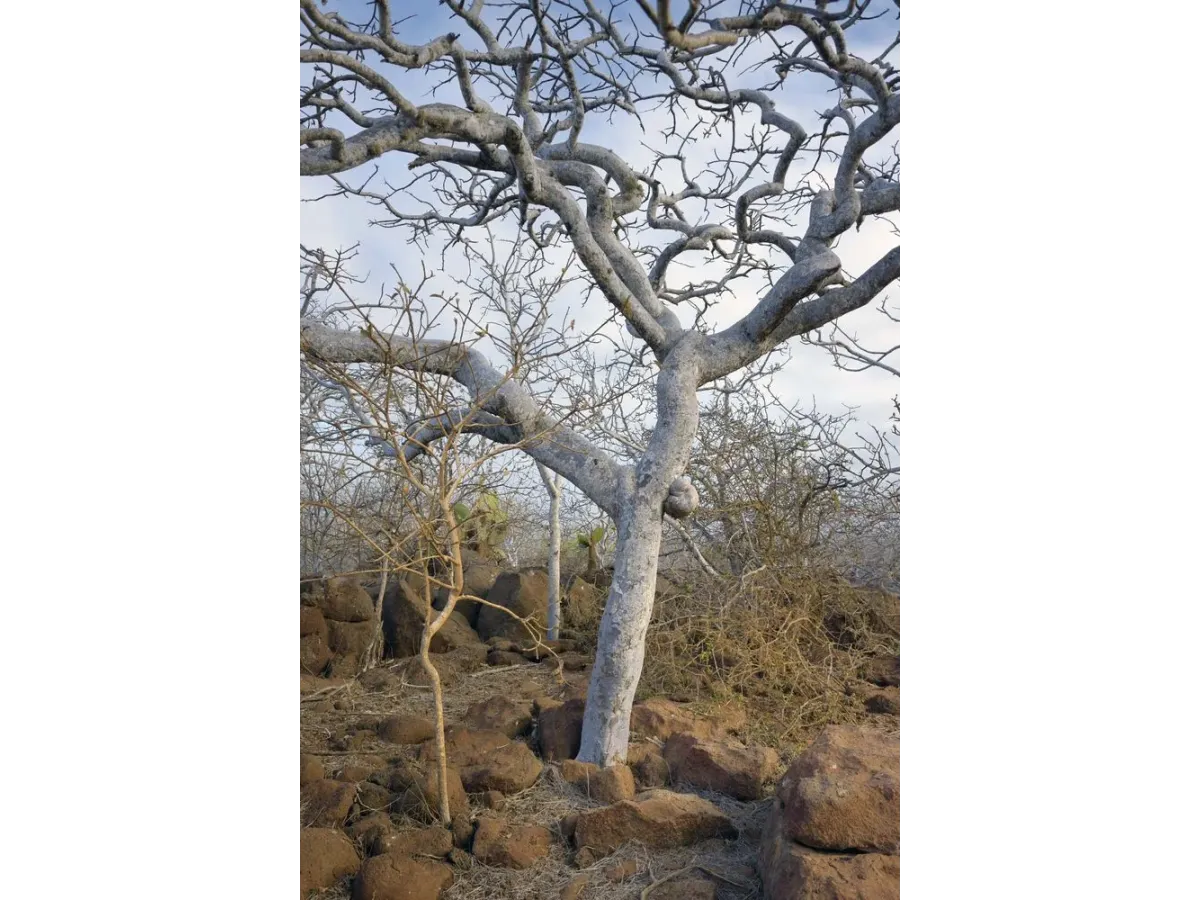
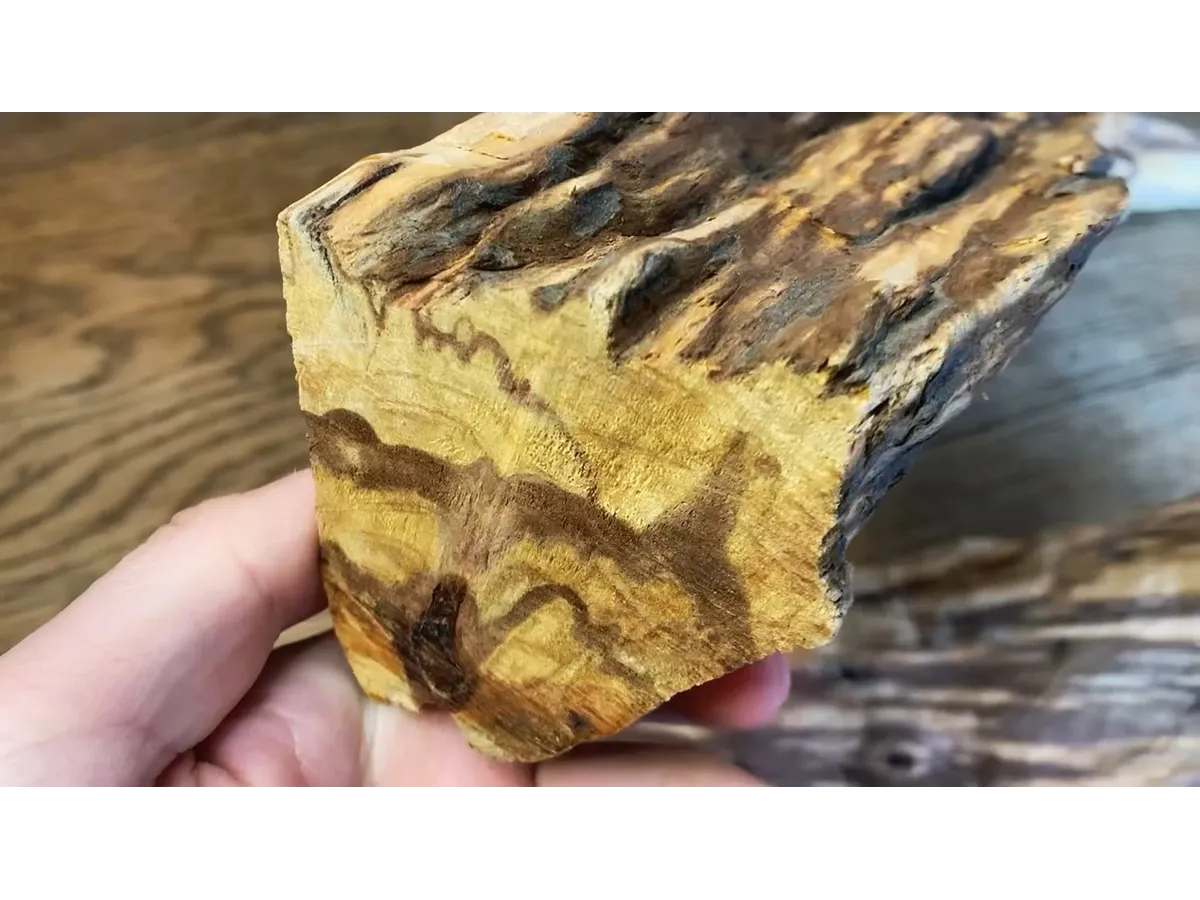
Bursera graveolens, known in Spanish as palo santo ("holy wood"), is a wild tree native to regions from the Yucatán Peninsula to Peru and Venezuela in South America. The use of palo santo is traditional in South America, particularly in Peru and Ecuador. The Palo Santo tree typically reaches a height of 18 meters, with a mature age usually between 40 to 70 years. Some locals claim that these trees can live up to 200 years. Interestingly, there are male and female Palo Santo trees. Usually, there is one male tree for every eight female trees, and they also differ visually. The male Palo Santo tree is hollow, brittle, and white, whereas the female Palo Santo tree is heavier, sturdier, and yellow.
History of palo santo
The origin of the Palo Santo tree dates back to ancient times. When the Inca Empire was established in the 15th century, local shamans of the Inca tribe used Palo Santo wood in their rituals. They were called "Curanderos." The term "Palo Santo" means "holy wood," a perfect description of its almost limitless capabilities. Due to its sacramentality and healing action, it was primarily used in various religious ceremonies. The main purpose of its use was to ward off evil spirits and cleanse the land of dark energies. According to the shamans, if one is attracted to the aroma of Palo Santo, it indicates a decent level of spiritual purity. But how can a simple tree affect spirits? This ancient practice was known as Palo Santo Smudge or "smudging." By burning Palo Santo sticks and wood, the thick smoke protected against supernatural presence. Its specific aroma—a mix of citrus and mint with pine notes—creates a calming effect. This effect induces a meditative state and spiritual cleansing, which remains popular in modern society, despite its cultural significance being almost lost today. Many people underestimate its supernatural value.
Harvesting
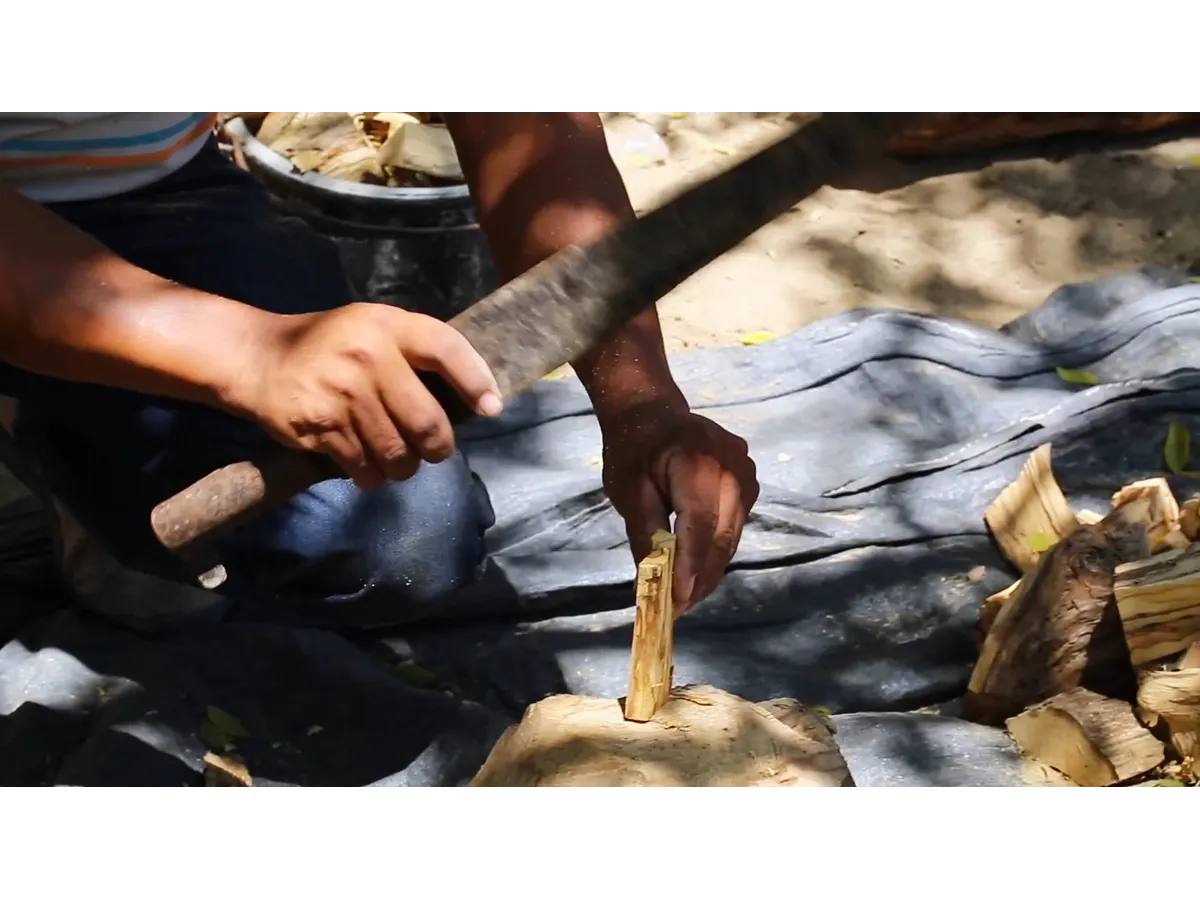
The tree itself does not hold much value. However, when the Palo Santo tree dies due to natural causes, it can produce special oil. This possibility arises through the process of decomposition. It takes about 5-8 years for the Palo Santo oil to mature and become aromatic. After this period, it can be harvested and used for various purposes. Simply put, the longer the years since its death, the "holier" and more valuable it becomes. Additionally, if you cut down the tree immediately, you will not gain this immediate effect. Peruvians, as per government regulations, do not cut living wood but collect fallen branches and dead B. graveolens trees.
Properties
Since Palo Santo oil is rich in antioxidants and phytochemicals called terpenes, it is effective in combating free radical damage (also known as oxidative stress), relieving stomach pain, combating stress, reducing arthritis pain, and treating many other ailments. Analysis of Palo Santo essential oil has shown that the main active components include: limonene (89.3%), α-terpineol (11%), menthofuran (6.6%), and carvone (2%). Other beneficial compounds in smaller quantities include germacrene D, muurolene, and pulegone.
Limonene, the main active ingredient in Palo Santo, is a bioactive component found in high concentrations in some plants, including citrus peels, and has well-studied anticancer and anti-inflammatory effects. In preclinical studies of breast cancer carcinogenesis and inflammation-related diseases, the addition of limonene helps combat inflammation, reduces cytokine levels, and protects the epithelial cell barrier.
In 2004, researchers from the School of Pharmaceutical Sciences at Shizuoka University in Japan discovered several other key phytochemicals in Palo Santo oil capable of combating cancer cell mutation. These compounds demonstrated excellent inhibitory activity against human cancer cells and fibrosarcoma.
Like frankincense, Palo Santo is used for emotional and spiritual support as it acts as a natural anxiety remedy. Inhaling Palo Santo helps activate the body's relaxation response and reduce panic, anxiety, and insomnia. These properties are valuable for spiritual practices that require concentration and willpower, such as nail-standing practice.
Usage
Prepare yourself and the room. Tidy up, preferably with a wet cleaning. Set an intention for spiritual and energy practice. Use well-dried wood. If your stick has absorbed moisture, wait for it to dry.
Using a match or candle, light one end of the stick and let it burn until a red ember forms. Blow out the flame, leaving only the smoke from the smoldering ember. Place the stick on a fireproof incense holder, or use a metal or stone surface. The ember should receive enough air to continue smoldering. Place the holder with the smoldering incense in a safe place (your power altar), away from children, pets, and any flammable objects. While "smudging" the entire space of your home, carefully carry the bowl to different parts of the room, ensuring the Palo Santo smoke reaches every corner and crevice where it will cleanse the space and attract positive energy.
When finished, extinguish the stick. To do this, pour salt or sand into the holder and immerse the smoldering end in it. Avoid using water. Before leaving the room, ensure the stick is completely extinguished. Each stick can be used several times until it is entirely burnt.
Source: Open data
Photos
22/07/2024 19:53:49
Views:4008