

0 грн.
CheckoutPractical tips for practicing on sadhu boards
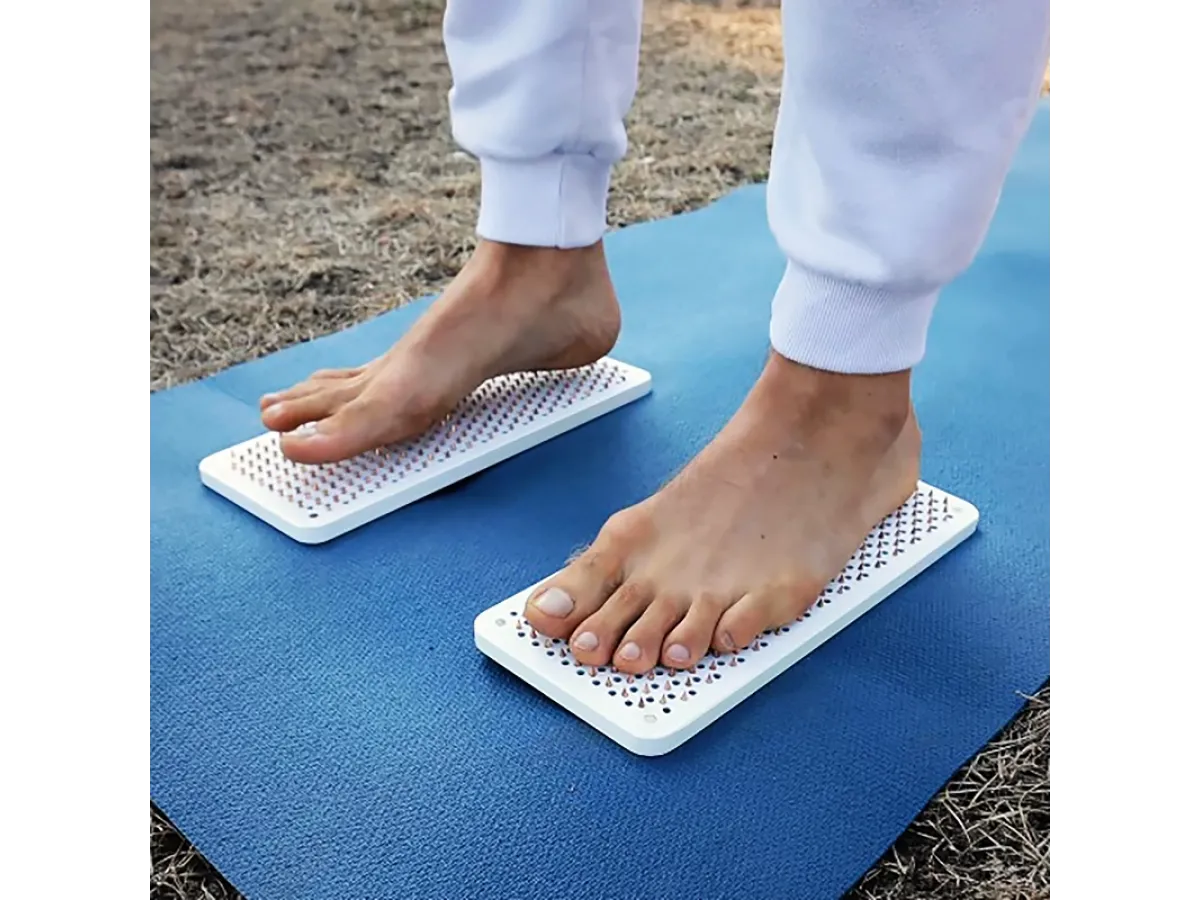
Preparation for practice
Preparing yourself mentally and emotionally before beginning to practice standing on the Sadhu boards is important. This includes meditation, breathing exercises, and affirmations. Take time to calm your mind and set a positive intention before starting. In India, for example, mantras or chants are often used to prepare for important practices. This helps to focus and reduce stress levels. You should not practice with a full stomach, when tired, in a bad mood, or if there are any contraindications. The list of contraindications is provided in a separate article.
Technique for standing on the boards
There are various approaches to starting your practice on the Sadhu boards. It’s crucial to remember that this practice should be gradual. You shouldn’t immediately try to stand for a long time. It’s better to start with short sessions and gradually increase their duration. The key to success is focusing on your breathing and inner state. This allows you to better control your sensations and reduce the impact of pain.
There are both group and individual practices for standing on nails. Standing in a group is easier because your mind is distracted by surrounding factors, and you interact with the group's energy. Practicing alone is more challenging since you fully concentrate on your sensations. However, the results of individual practice are significantly deeper than those of group practice.
The key moment when stepping onto the nails is the ability and willpower to accept and endure the pain. You need to accept the pain rather than focus on it or endure it. The nature of this pain is more psychological than physical. This is the secret of the practice. You can further relax and enjoy the practice by focusing your mind on your goal, listening to pleasant sounds, and surrounding yourself with pleasant scents, comfortable clothing, and more.
Before starting your practice, calm yourself, focus, dress comfortably, play soothing music, and fill the room with your favorite scent from natural incense, essential oils, or Palo Santo wood. At the very beginning, it's convenient to stand in the following sequence: place the boards at a comfortable distance on the floor; position a chair nearby and sit on it; while sitting on the chair, place both feet on the boards; gradually try to transfer your body weight from the chair to your feet, evenly distributing the load on both feet. You can hold onto the chair with your hands and return to a sitting position at any moment. If even this option is difficult for you due to a low pain threshold or a board with wide nail spacing, you can wear socks to ease the initial attempts.
As you gain experience, the next sequence will be: place the boards at the desired distance on the floor near a table, chair, or another large object you can lean on. The object should be massive and securely hold your weight. Place one foot on the board without transferring your weight. Leaning on the object, transfer part of your weight to the object and the other part to the foot already on the board. Then transfer the second foot onto the board. Here, you can distribute your body weight between your feet and the object you’re leaning on. You can also train your arm muscles simultaneously. Eventually, you’ll be able to stand on the boards without leaning on objects, starting from a standing position.
You can also consult the nail-standing master G, who can provide individual advice or even a live master class for beginners. You can find G's contacts in the "About Us" section on the website.
Completing the practice
It’s best to step off the board slowly, gradually lifting your foot from heel to toe, similar to how you remove your shoes. Remember that the board may stick to the sole. When stepping off, make sure the board stays in place, and if necessary, help detach it with your hand.
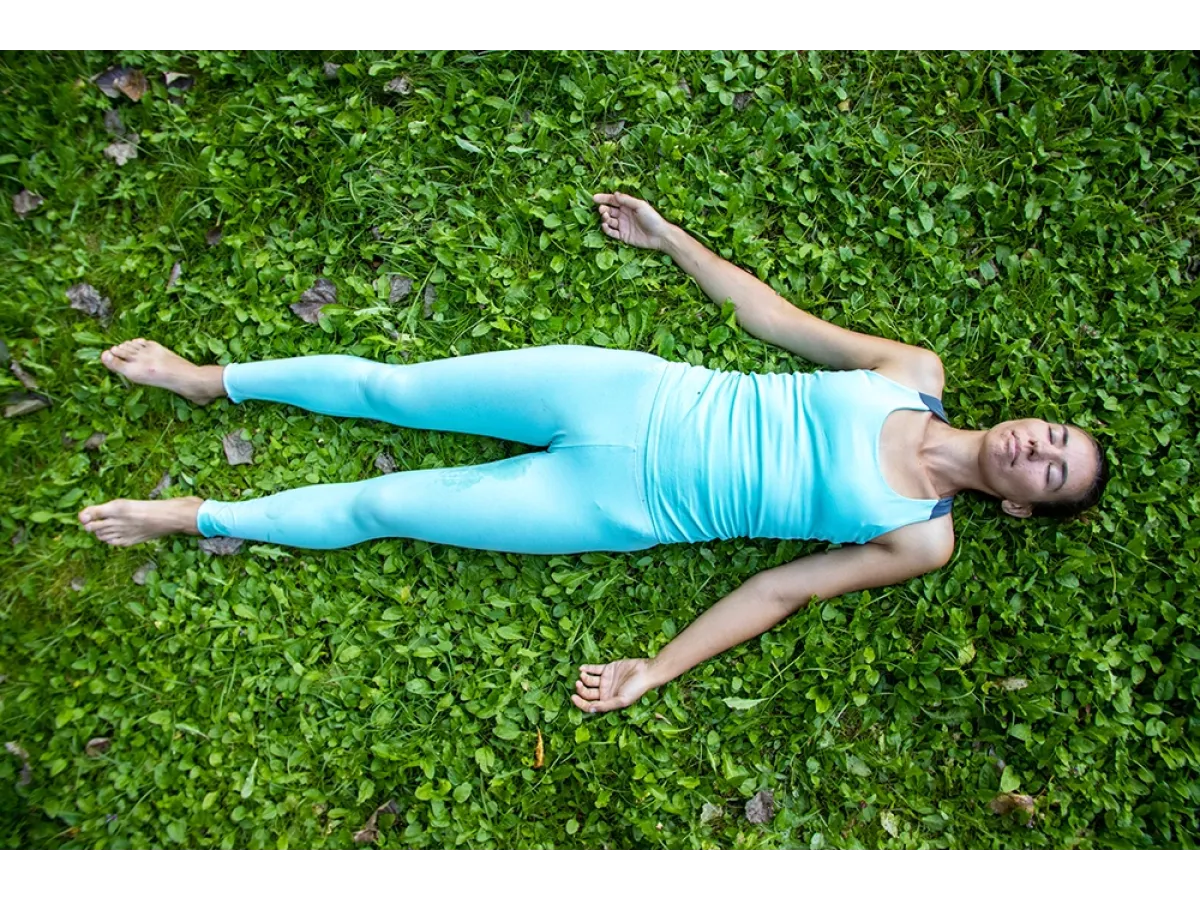
Completing the practice should be done gradually, just like starting it. It’s important to remain focused and relaxed when stepping off the board. Don’t rush, as this could cause discomfort or even injury. After finishing your practice, spend a few minutes meditating or in Shavasana (a yoga pose) to fully relax your body and mind.
Tips for pain relief
To relieve pain, you can use various techniques. For example, it’s important not to focus on the pain but to redirect your attention to other sensations or sounds. Affirmations and visualization also help: imagine how your body’s energy transforms the pain into a positive experience. Maintain consistent, deep breathing during the practice, and avoid holding your breath. Tears, sweat, and muscle tremors are normal during the practice. If you feel like crying or screaming, don’t hold back—release your emotions. You can scream into a pillow to avoid disturbing your neighbors, and this is no joke. But it’s better to sing your favorite song; you’ll feel better afterward. However, it’s important to remember that you must control the level of pain and emotions. If the sensations become unbearable and you feel dizzy, it’s better to take a break and continue with renewed strength later.
General recommendations
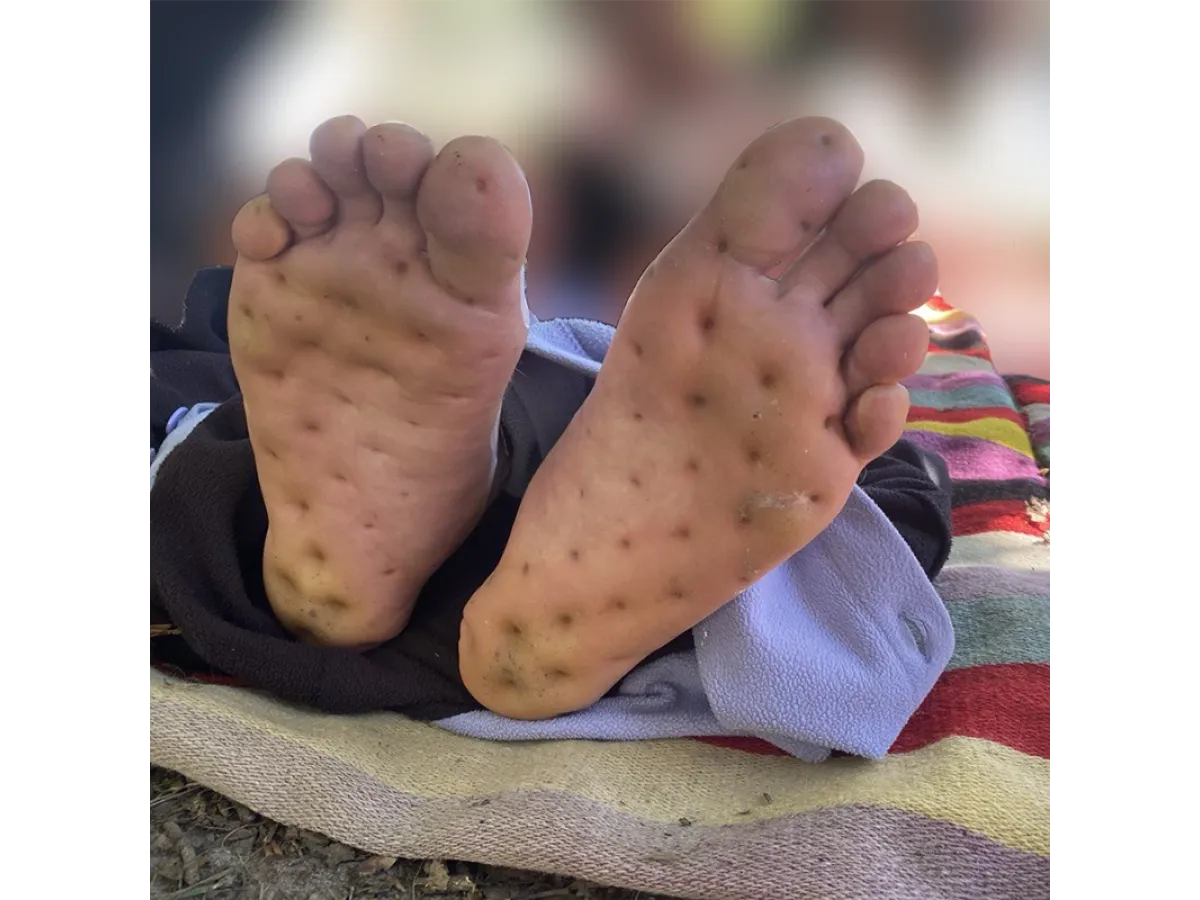
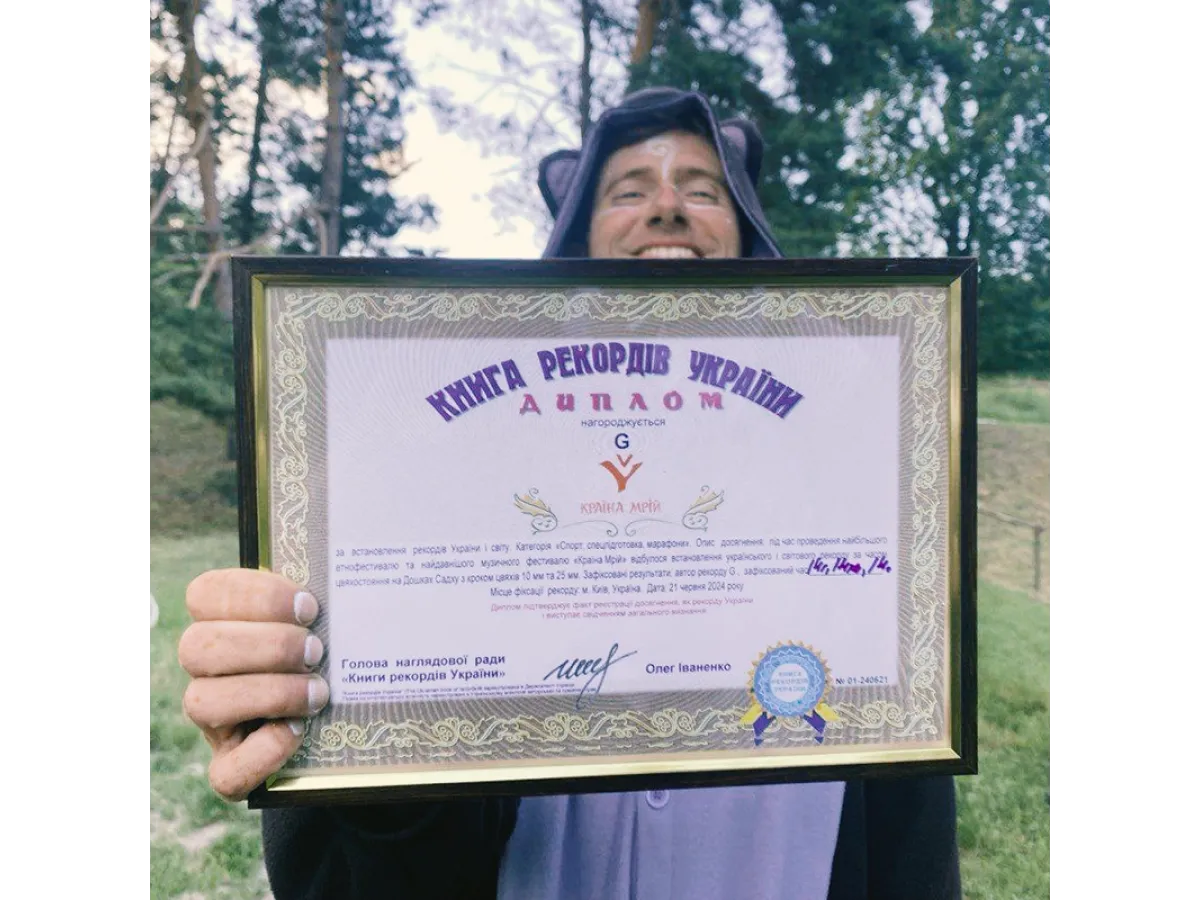
No matter how painful it may seem, the nails won’t pierce the skin on your soles if you step on them correctly. The duration of the practice can range from a few minutes to an hour or even longer. Yoga master G, who is a co-founder of the ZMOGA project, has reached great heights in Sadhu board practice. He can stand on boards with a 25 mm nail spacing for over 14 hours, which is officially recorded in the Ukrainian Book of Records. At the same time, the skin on his soles remains intact.
The practice of standing on Sadhu boards requires consistency and patience. Don’t try to achieve immediate results. Remember, the main goal of this practice is inner development and control over your body and mind. Consistent practice will help you experience changes on all levels: physical, mental, and spiritual.
Photos
11/08/2024 11:50:52
Views:7003